









I’ve been farming for decades, and honestly I was skeptical about this at first. It didn’t make sense that something like this would apply to me. But the Legacy Soil & Land Advisors team walked me through everything step by step. The process was straightforward, fully handled on their end, and much easier than I expected. I only wish I had looked into it sooner.


I had never heard of Section 180 soil-based deductions before being introduced to this program. The team explained everything clearly and handled the soil analysis and documentation. As a result, I was able to apply a significant deduction through my CPA based on their report. It made a real difference for my operation this year.

I was initially skeptical after receiving outreach about soil fertility tax strategies, but after speaking with the team I decided to move forward. They were highly knowledgeable and very precise in how they approached the analysis and documentation. My CPA reviewed everything and we were able to integrate the findings into my tax position without issues.

When this was first brought to my attention, I had my doubts about whether it was even relevant for my situation. What changed my mind was how clearly everything was explained and how little I actually had to manage myself. The Legacy Soil & Land Advisors team kept things organized, handled the details, and made the entire experience surprisingly smooth. In hindsight, it turned out to be a worthwhile decision that I probably put off longer than I should have.
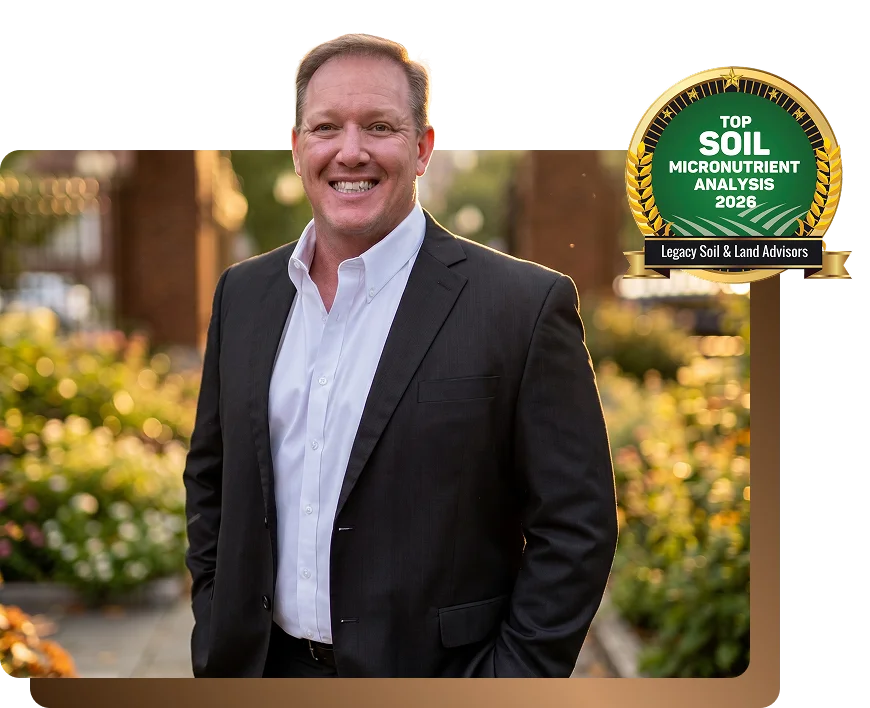
Michael Newsom is the founder of Legacy Soil & Land Advisors and a landowner himself, with firsthand experience navigating the financial side of agricultural investments. After facing significant tax exposure on his own farmland acquisitions, Mike worked alongside top agricultural accountants and a former IRS agent to explore compliant strategies under Section 180.
That process led to the discovery of a repeatable, science-backed approach to identifying and documenting soil fertility value for tax purposes. Today, Mike and his team help farmers and landowners apply that same structured process – providing clear, defensible documentation that integrates directly with their CPA’s work.
Most landowners don’t realize that the IRS allows certain soil improvements to be treated as a deductible expense under Section 180. Over years of farming, valuable micronutrients build up in the soil – nutrients that have real, measurable value.
Under the right conditions, that value may be documented and used to support a legitimate tax position. The key is proving it correctly. That’s where we come in.
We work alongside experienced soil scientists and agronomic professionals to properly sample, measure, and evaluate nutrient levels using established scientific standards.
From there, we compile structured documentation designed to align with IRS expectations and integrate cleanly with your CPA’s process.
Our approach is built to be straightforward, compliant, and fully managed from start to finish:
Conducted using recognized scientific methods to ensure accurate data.
Micronutrient levels are measured and evaluated to determine potential eligibility.
Clear, organized reports prepared to support a defensible position.
Section 180 isn’t just about reducing taxes – it’s about properly identifying and documenting the
financial value already present in your land.
Identify and document soil fertility value that may be applied toward reducing taxable income.
Professional soil analysis and structured documentation aligned with recognized standards.
Clear, defensible reports designed to support your position if ever reviewed.
We handle the sampling, analysis, and reporting so you can stay focused on your operation.
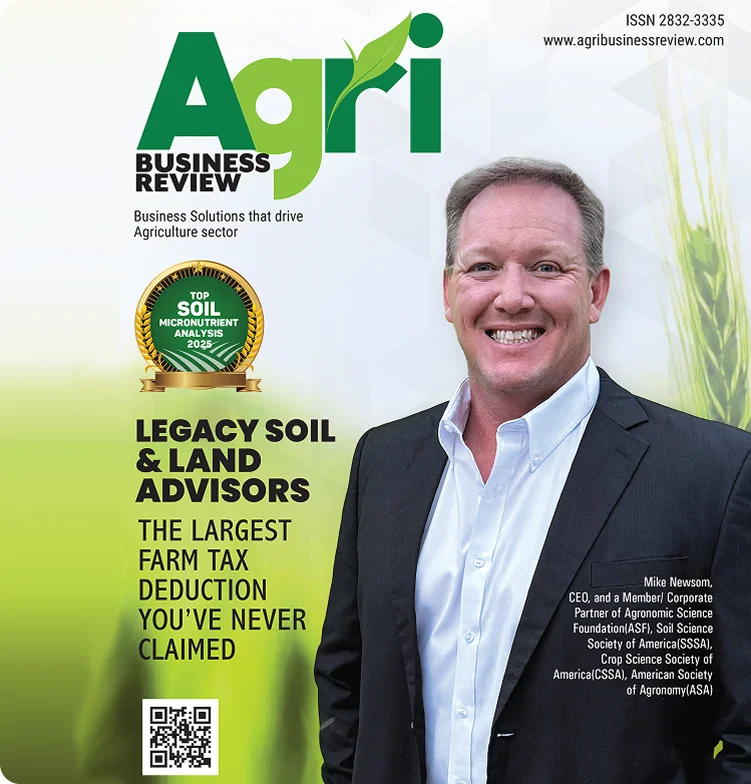
Agribusiness Review recently featured Legacy Soil & Land Advisors for pioneering soil micronutrient analysis strategies that help farmers unlock substantial tax deductions through Section 180 of the IRS code.

Section 180 is a tax provision that may allow certain soil fertility value to be documented and treated as a deductible expense under qualifying conditions.
Eligibility depends on land ownership, soil conditions, and timing (such as land purchase or improvements). A review is required to determine fit.
We conduct a professional soil analysis and review your property details to determine whether it may qualify under Section 180 guidelines.
It varies based on acreage, soil composition, and land value. Each property is individually evaluated.
No. The process works alongside your existing operation without requiring any changes.
In most cases, it applies at the time of land purchase or qualifying soil improvements.
Basic land details and soil samples. We handle the analysis and documentation process from there.
When properly documented with supporting soil analysis and structured reporting, the process is designed to be compliant and defensible.
Most evaluations and reports are completed within a few weeks.
Start with a quick land eligibility review. We’ll guide you through the next steps if your property qualifies.
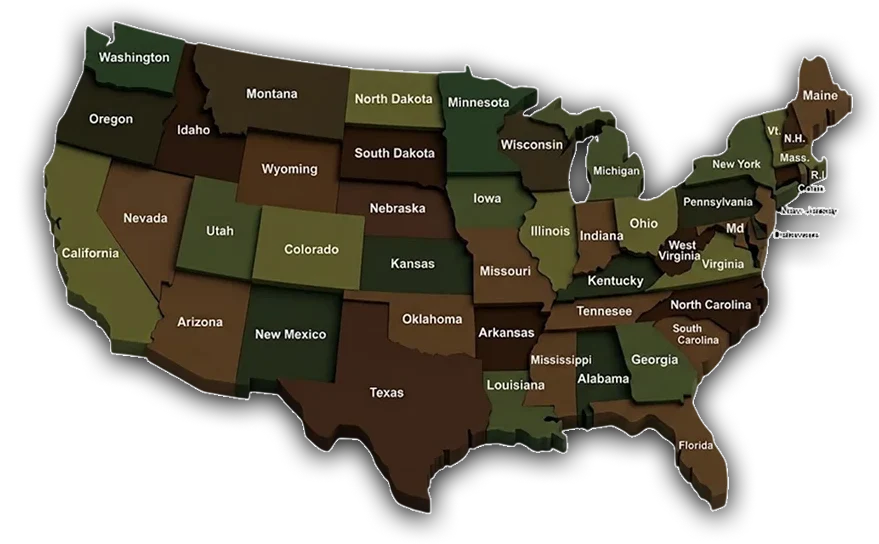
Legacy Soil & Land Advisors provides soil analysis and Section 180 advisory services nationwide. Each project is reviewed on a case-by-case basis to determine eligibility and ensure proper documentation standards are met.